Cobalt
The Silent Metal: Cobalt’s Hidden Role in Construction and Its Human Cost
Written by Elaine Mitchel-Hill, International Lead, Design for Freedom
Cobalt, a silvery-blue metal essential to the global energy transition, is often associated with electric vehicles and consumer electronics. Yet its presence in the construction sector—embedded quietly in building products and materials—remains largely overlooked. As the Blood Batteries report, launched in August 2025 by Professor Siddharth Kara and the Rights Lab (University of Nottingham) in the UK, reveals, the human and environmental toll of cobalt extraction in the Democratic Republic of Congo (DRC) demands urgent scrutiny across all industries that benefit from this resource, including construction.
Cobalt plays a critical role in construction through rechargeable battery systems in smart buildings and infrastructure, including solar storage and backup power units. It is also used in pigments and coatings, where cobalt compounds produce vibrant blues in glass, ceramics, tiles, and paints. Cobalt-based alloys appear in structural components, valves, and piping systems that require high durability and corrosion resistance—especially in industrial and energy-intensive buildings. Additionally, cobalt is essential in cemented carbides and cutting tools used in construction machinery and fabrication. These uses are often embedded deep within supply chains, making cobalt a “silent” material—present but rarely acknowledged in procurement and design decisions.
Globally, cobalt mine production reached approximately 290,000 metric tons in 2024. While precise figures for the built environment are difficult to isolate, industry estimates suggest that construction-related applications—including building-integrated energy systems, coatings, tools, and heavy machinery—account for a significant share of cobalt consumption outside the transport and electronics sectors. The scale of use underscores the need for greater transparency and accountability across the built environment ecosystem.
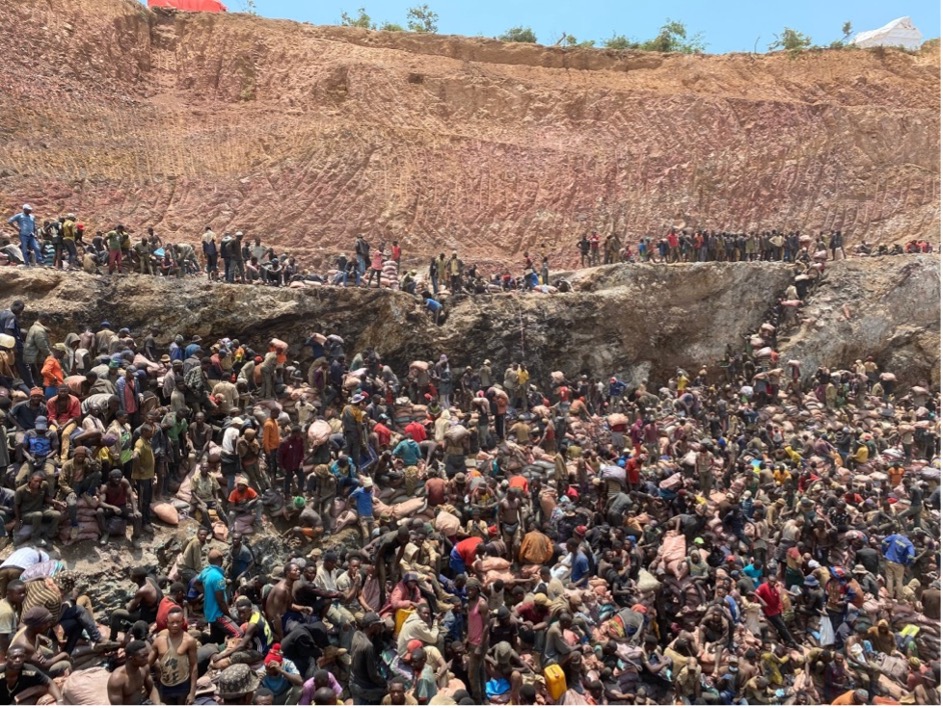
Figure 1. A massive open-pit artisanal mining area at Shabara, DRC. Photograph by Siddharth Kara.
According to the Blood Batteries report, 76% of the world’s cobalt is mined in the DRC, primarily in Haut-Katanga and Lualaba provinces. Kolwezi, the capital of Lualaba, has become synonymous with the brutal realities of cobalt extraction. The report documents hazardous labour conditions, especially among artisanal miners, many of whom are children and women working without protective equipment. Its surveys across mines showed that nearly 40% of respondents were in forced labour and 10% in child labour:
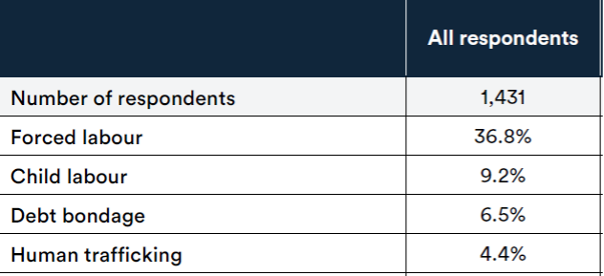
Figure 2. Excerpt from Blood Batteries, Labour Survey summary data table
It also reveals severe environmental degradation, including contaminated water sources and deforestation caused by industrial and artisanal mining. The study used satellite data to track the environmental impacts of cobalt mining across a 12-year period, for example: cultivated land used for agricultural production decreased by 27.1%, representing a loss of 45.7km2; tree loss was 3.9%, shrub loss was 38.5%, and the loss of water bodies was 34.7%.
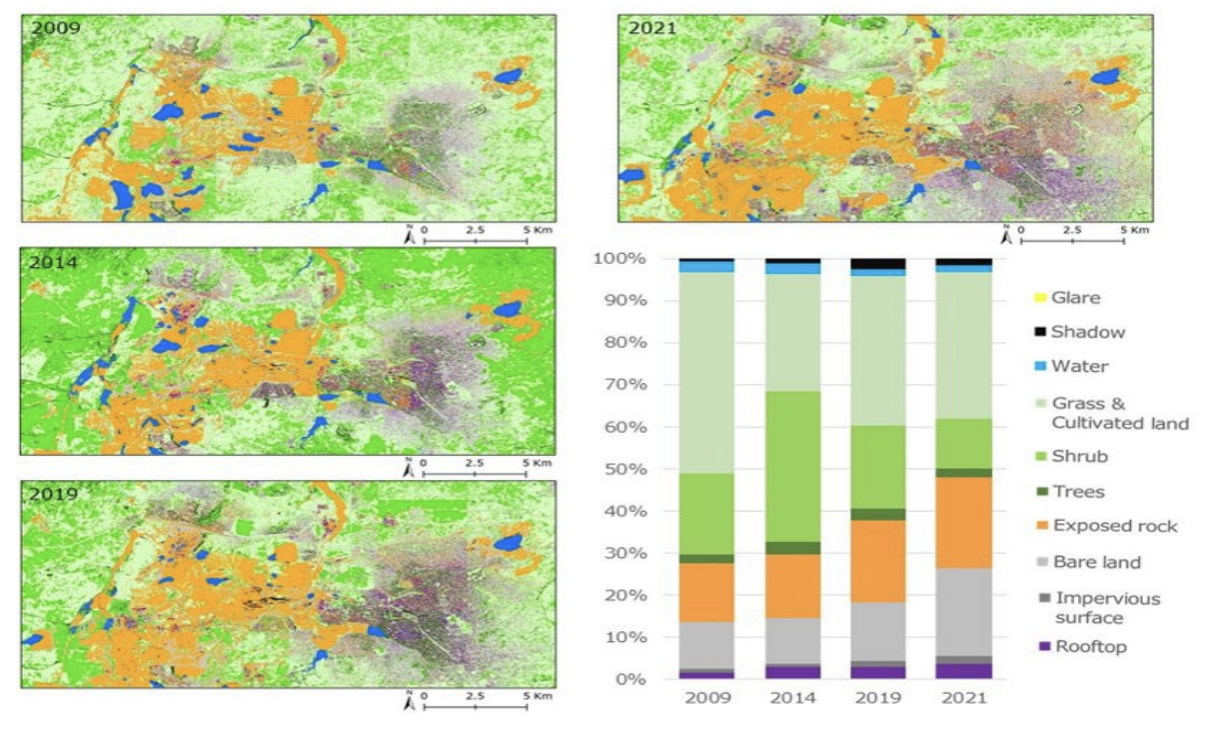
Figure 3. Time-lapse representation of environmental impacts of mining activities around Kolwezi, DRC
Despite these realities, tech and EV companies continue to promote their cobalt supply chains as fully audited and compliant with international human rights norms. One mother of three, who washes cobalt ore near Kolwezi, encapsulates the tragedy: “You want to know about cobalt? Cobalt is a curse. It is killing Congolese people.”
The construction sector must better understand its connection with cobalt, acknowledge its role as a colossal global industry, and immediately make moves to engage. This means not only recognising cobalt’s presence in the materials, machinery, and systems that shape our built environment, but also taking direct action to address the ethical and environmental consequences of its extraction. Key recommendations, adapted from the Blood Batteries report and its list of recommendations to companies, include:
• Work with academics, civil society, and artisanal mining communities in the copper-cobalt mining provinces to complete an accurate map of mineral supply chains, with particular scrutiny paid to the ways in which ASM cobalt enters corporate supply chains. Make this mapping publicly available;
• Based on this mapping, support an independent due diligence initiative on cobalt supply chains that is conducted by Congolese academics, civil society, and artisanal mining communities, to ensure that downstream partners are adhering to national and international laws on human rights and environmental sustainability;
• Encourage those supply chain partners who fail to uphold these laws to address the shortcomings, and refuse to do business with them until they do so;
• Invest at least 0.5% of net profits to support communities whose labour and mineral resources are required for the products sold; these resources should be used to support the kinds of recommendations made in this report, as well as those that emerge following engagement with artisanal mining communities in the DRC and other countries at the bottom of chains. The supply chain only exists because of the immense demand for cobalt at the top, and that is where ultimate accountability resides for addressing the problems.
As one of the largest consumers of industrial inputs globally, construction has both the influence and the responsibility to lead. It must go beyond passive awareness and actively collaborate on solutions—working with suppliers, manufacturers, civil society, and affected communities to build transparent, accountable supply chains. The sector must also accelerate progress on ethical sourcing and human rights due diligence, making more headway than the electric vehicle industry has to date.
While EV manufacturers have faced growing scrutiny over cobalt, construction has remained largely absent from the conversation. That silence must end. The time for leadership is now.
Cobalt may be silent in construction, but its impact is anything but. As the Blood Batteries report makes clear, durable change begins with acknowledging the human cost—and taking responsibility for it.
